Best Free Resources for Traders in 2025: From Charts to AI Alerts
December 01 , 2025

Traders often debate whether day trading or swing trading is better. This article explains both strategies and how major trending events—like football matches, tech launches, or political news—can influence which approach is more suitable.
Choosing between day trading and swing trading depends on your lifestyle, risk tolerance, and how you respond to market-moving events. Trending news or public attention can create opportunities—or risks—for both approaches.
Day trading involves opening and closing positions within the same day. Key features:
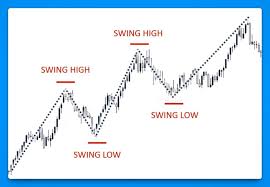
Swing trading involves holding positions for days or weeks, aiming to capture larger market moves. Key features:
Trending events can create both opportunity and risk. Day trading allows you to capitalize on short-term spikes, while swing trading offers a steadier approach to navigate event-driven market volatility. Choosing the right strategy depends on your schedule, temperament, and ability to respond to market sentiment.

December 01 , 2025

December 01 , 2025

December 01 , 2025


December 01 , 2025

December 01 , 2025
December 01 , 2025






December 01 , 2025
November 18 , 2025